

You’ve probably noticed it happening already. Your customers aren’t typing “pizza near me” anymore: they’re asking their phones, “Where’s the best pizza place that’s still open?”
This shift isn’t just changing how people search. It’s completely rewriting the rules of local SEO, and if you’re still optimizing for yesterday’s search patterns, you’re losing customers every single day.
Voice search now accounts for over 50% of all online queries, and by 2026, that number jumps to an estimated 65% of local searches specifically. [5][1] Think about what that means for your small business: most of your potential customers will never type your services into a search bar again.
The Voice Search Reality Is Already Here
Let’s talk numbers that matter to your bottom line. 76% of smart speaker users perform local voice searches at least weekly, with nearly half searching daily. [2] Even more telling? 58% of consumers actively use voice search to find local businesses and services. [3]
But here’s the kicker: voice searchers aren’t just browsing. They’re ready to buy, visit, or call. When someone asks their device, “Who’s the best electrician available today?” they’re not doing research for next month: they need help now.

This creates a massive opportunity for small businesses who understand the shift. Marketing agencies report that clients investing in voice search optimization see conversion rates nearly double compared to traditional search traffic. [1] Why? Because voice search captures people at the exact moment they’re ready to take action.
What’s Actually Changing in 2026
Conversations Replace Keywords
Remember when you optimized for “dentist Manchester”? Those days are over. Voice searchers ask complete questions: “Where can I find a dentist in downtown who takes my insurance and offers same-day appointments?” [1]
Your content needs to sound like real conversations, not keyword-stuffed robot speak. Instead of targeting rigid phrases, you’re answering the actual questions your customers ask their voice assistants.
Zero-Click Searches Dominate
Here’s something that might shock you: over 50% of local searches already end without anyone clicking through to your website, and this is projected to reach 70% by 2026. [1]
Think of voice assistants as the new front desk for your business. When someone asks, “What’s the best Italian restaurant nearby?” the assistant might respond with your business name, address, hours, and recent reviews: all without the customer ever visiting your website.
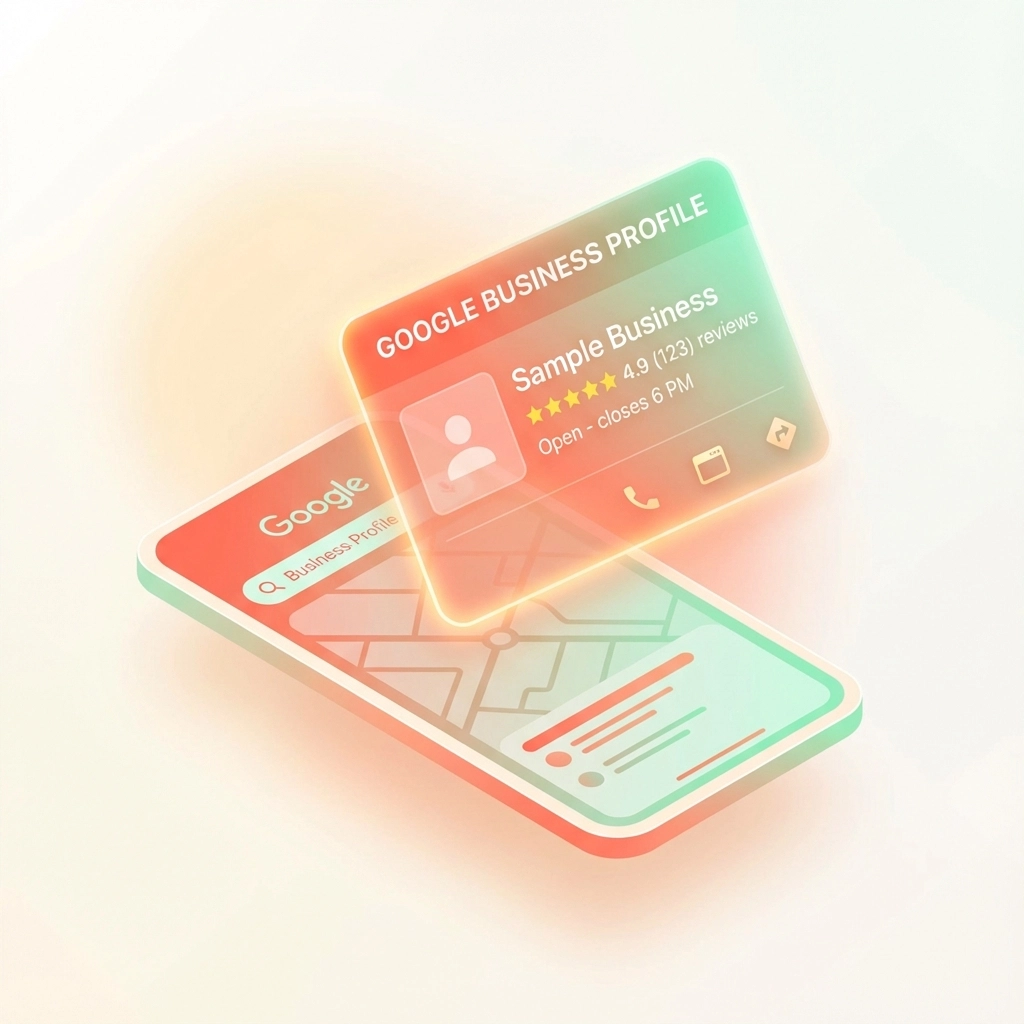
This means your Google Business Profile isn’t just a listing anymore: it’s your storefront. If your information there isn’t perfect, customers get their answers from your competitors’ profiles instead.
Multi-Turn Conversations Become Normal
Voice search allows follow-up questions. A customer might ask, “Where’s the nearest auto repair shop?” then follow up with, “Are they open on Sundays?” and “Do they work on Honda vehicles?”
Your business needs to be ready for this entire conversation, not just the first question.
Action Steps You Need to Take Now
1. Transform Your Google Business Profile
This isn’t about basic information anymore. Your profile needs natural language descriptions that mirror how customers actually speak about your business. [3]
👉 Instead of: “Professional automotive repair services”
👉 Write: “Car repairs and maintenance you can trust, with same-day service for most problems”
Make sure you have:
- Complete, accurate hours (voice searchers expect up-to-the-minute information)
- All relevant service categories and attributes
- Regular posts showing activity and trustworthiness
- Quick responses to all reviews
2. Create Conversational Content
Start building FAQ content that answers location-specific questions using natural speech patterns rather than targeting rigid keyword phrases. [1]
A dental practice might create content answering “where can I find a dentist who takes my insurance and offers same-day appointments?” instead of trying to rank for “dentist near me.”

3. Prioritize Review Management
Voice assistants often mention ratings and recent reviews when recommending businesses to users. [3] A steady stream of fresh, detailed reviews signals to voice search algorithms that your business is active and trustworthy.
This shifts review management from being nice-to-have to essential infrastructure for voice search visibility.
4. Rethink Your Keywords
Traditional local SEO targets keywords like “plumber Manchester.” Voice search optimization requires phrases like “emergency plumber available 24 hours” or “same-day plumbing repairs near me.” [3]
Your content should answer the complete, specific questions customers actually ask voice assistants.
Real Results from Early Adopters
The impact is already measurable. A local plumbing company optimized their listings for voice search by including natural language phrases like “emergency plumber available 24 hours” and “same-day plumbing repairs.”
Within six months, they saw a 340% increase in voice-generated leads. [3]
Another case study showed a local business gaining 161 new local keywords over four months, with 15.3% increase in total interactions and a 36.2% increase in calls directly from their Google Business Profile. [4]

The Competitive Window Is Closing
Here’s the uncomfortable truth: most of your competitors are still optimizing for yesterday’s search landscape. They’re focused on basic local SEO strategies while revolutionary changes accelerate around them. [1]
Budget recommendations suggest dedicating 30-40% of local marketing budgets to emerging technologies and voice optimization. [1] This isn’t optional: it’s the cost of staying visible to customers who’ve already changed how they search.
FAQ: Voice Search and Your Small Business
Q: How do I know if my customers use voice search?
A: If your customers own smartphones (which is nearly everyone), they’re already using voice search. The question isn’t whether they use it, but whether your business shows up when they do.
Q: Can I optimize for both traditional and voice search?
A: Absolutely. Good voice search optimization actually improves traditional search rankings because you’re creating more comprehensive, conversational content that answers real customer questions.
Q: How quickly do I need to make these changes?
A: The businesses that adapt now will own their markets by 2026. Waiting for “perfect timing” means watching voice-first customers choose competitors who are already optimized.
Q: What’s the biggest mistake small businesses make with voice search?
A: Treating it like traditional SEO. Voice search requires conversational content and perfect business information, not keyword stuffing.

What’s Coming Next in This Series
Voice search is just the beginning of local SEO’s transformation in 2026. Over the next few weeks, we’ll dive deeper into:
- AI-powered local search results and how algorithms are getting smarter about understanding local intent
- Hyperlocal targeting strategies that help you dominate your specific neighborhood
- The mobile-first local experience customers expect in 2026
- Emerging local search platforms beyond Google that you should be paying attention to
👉 Ready to get your business voice-search ready? Contact our team to discuss how we can optimize your local presence for the way customers actually search in 2026.
The shift is happening whether you’re ready or not. The question is: will your business be the one voice assistants recommend, or will you watch from the sidelines as customers find your competitors instead?